Arthur B. Hancock III
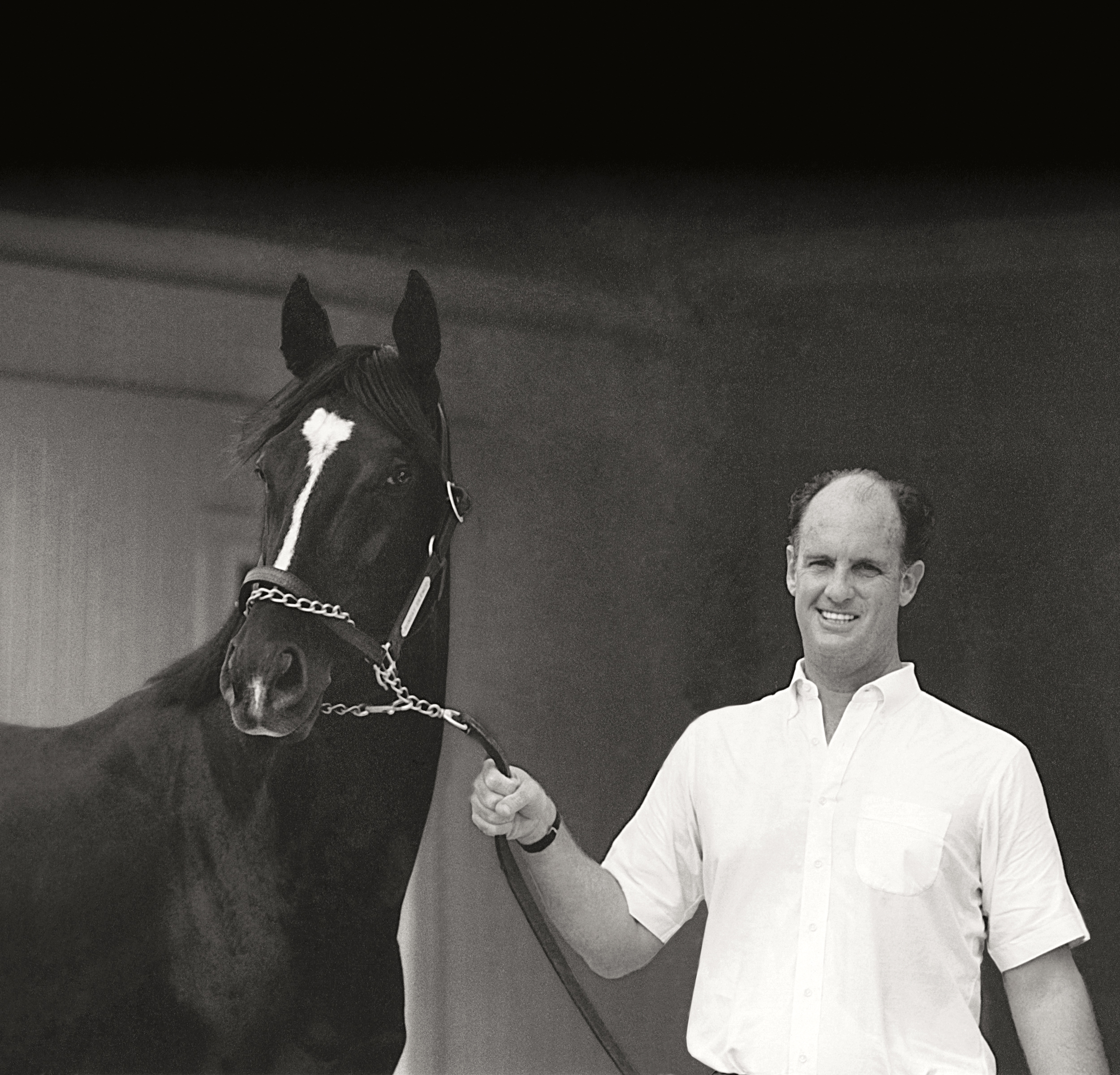
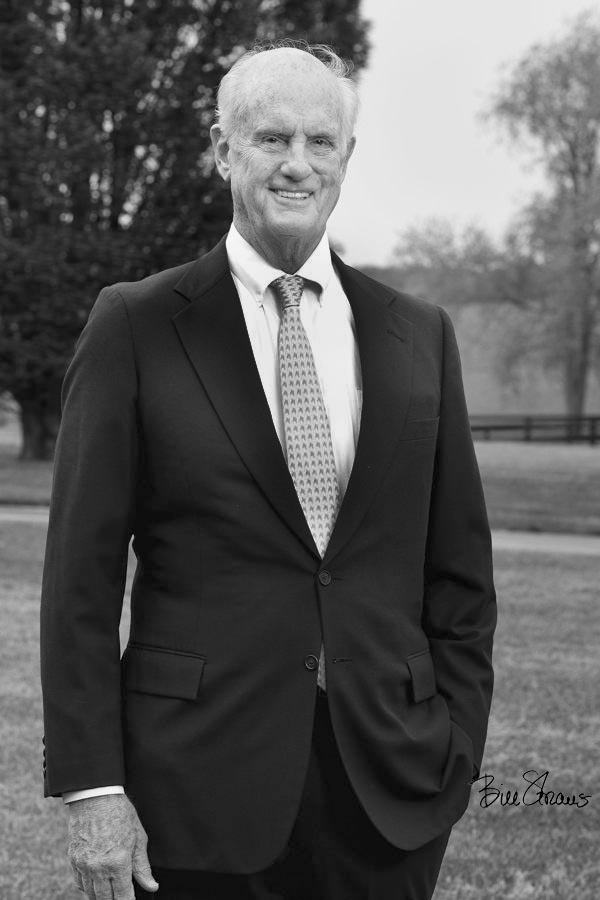
Bloodlines and tradition in American thoroughbred racing are held sacred. Arthur Boyd Hancock III certainly had the pedigree to become an influential figure in the game simply by following in the family footsteps, but circumstances dictated he journey down a different path.
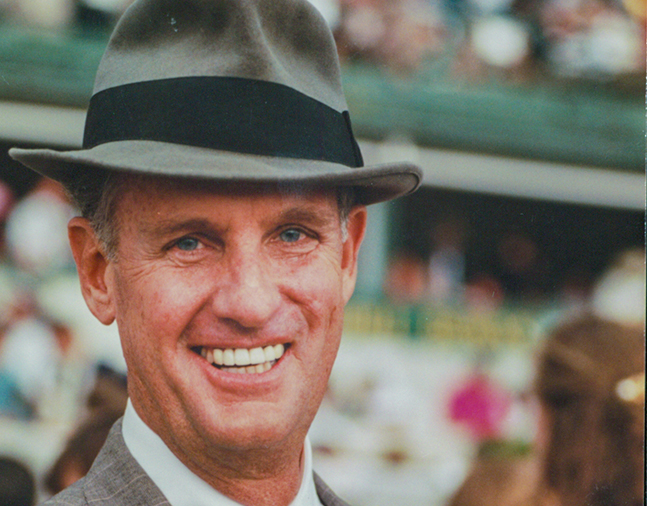
2025
Feb. 22, 1943, Nashville, Tennessee
Sept. 18, 2026, Paris, Kentucky
Biography
Bloodlines and tradition in American thoroughbred racing are held sacred. Arthur Boyd Hancock III certainly had the pedigree to become an influential figure in the game simply by following in the family footsteps, but circumstances dictated he journey down a different path.
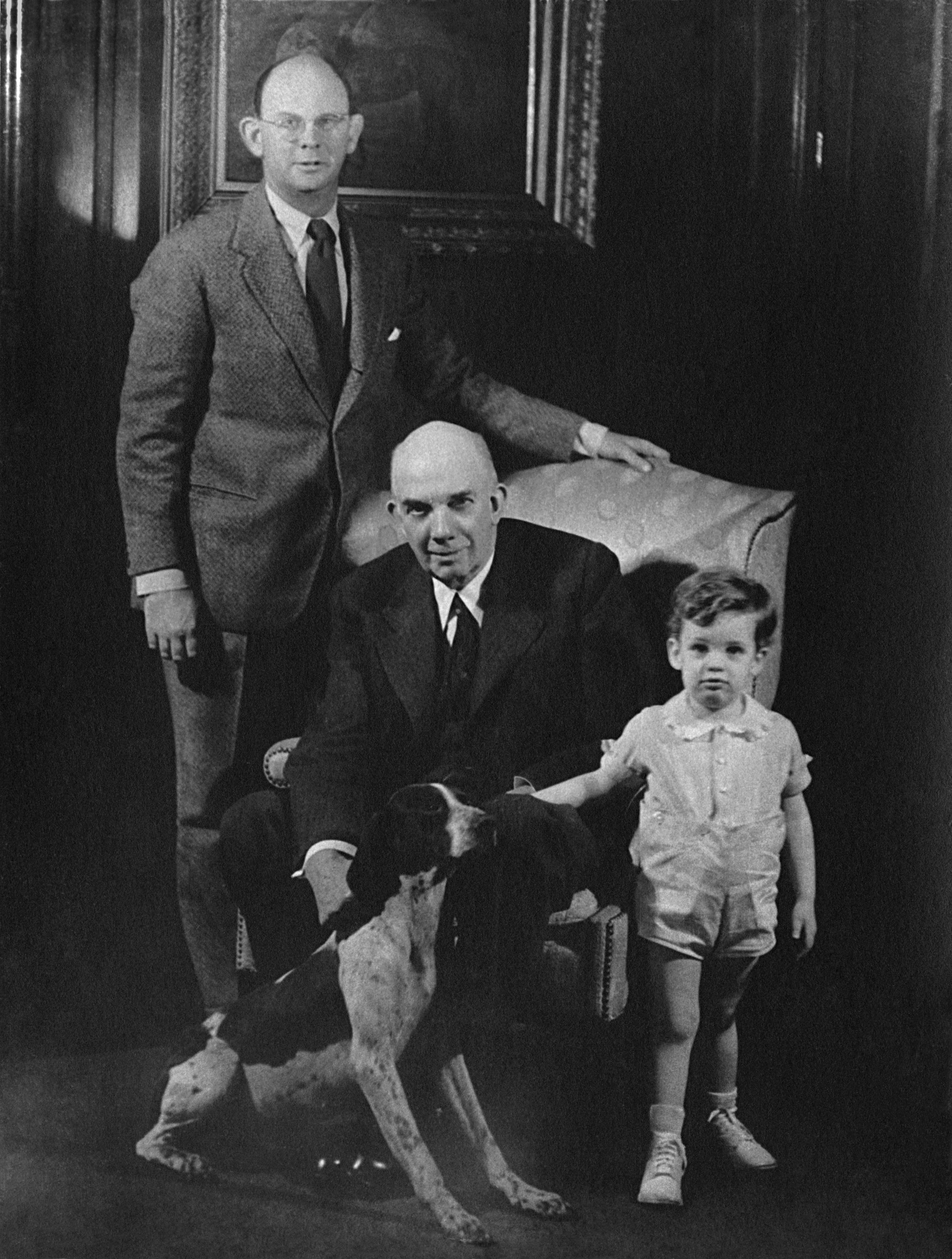
Hancock’s grandfather, Arthur B. Hancock, founded Kentucky’s legendary Claiborne Farm, while his father, Arthur B. “Bull” Hancock, Jr., expanded the business to where it became arguably the most important breeding farm in the U.S. during the 20th century, and whose sales and influence also impacted European racing.
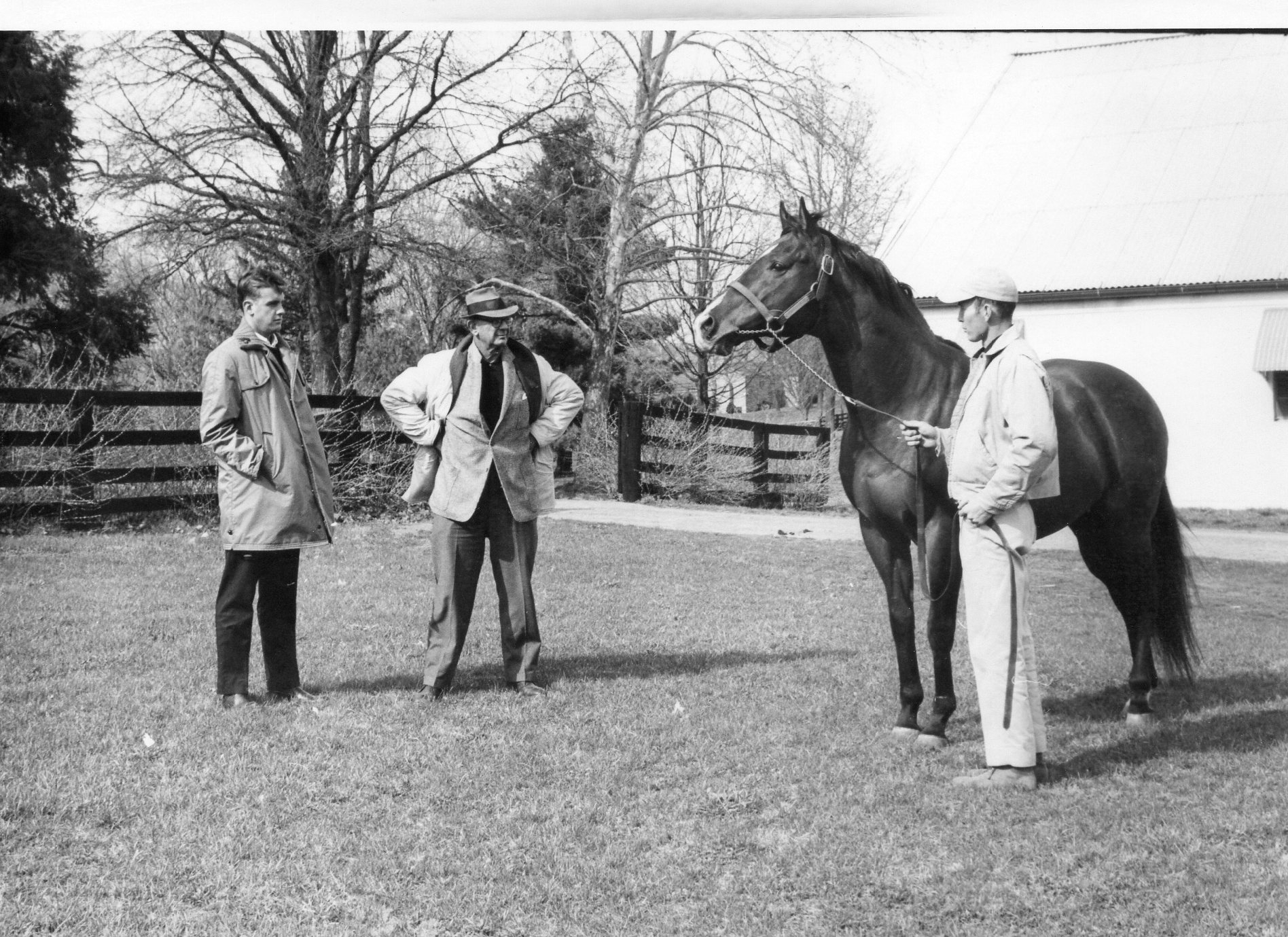
After graduating from Vanderbilt University, Hancock moved to the New York City area and worked for a year as an apprentice under future Hall of Fame trainer Edward A. Neloy. He then returned to Claiborne as the assistant broodmare and yearling manager under the tutelage of his father. However, after Bull Hancock’s death, Claiborne’s leadership wasn’t passed to Arthur. Instead, those duties went to his brother, Seth.
“I wondered, ‘What in the world am I going to do with my life?’ I thought running Claiborne was what I’d been groomed for,” Hancock said in an interview with Paulick Report. “The two top advisors were big Claiborne clients, Mr. (Ogden) Phipps and Bill Perry. And Mr. Phipps thought Seth should run Claiborne. He was an advisor, and Daddy’s will said the executors should follow the advice of the advisors.
“Mr. Perry wanted the same thing, and I saw the writing on the wall, so I resigned. … I just felt that I had to do my own thing in life. I had to run things like I wanted to.”
While Seth took over Claiborne, Arthur went out on his own, leasing 100 acres and launching Stone Farm into a respected and successful breeding and racing operation, which earned the family its first victory in the Kentucky Derby.
In partnership with one of his longtime clients, Manhattan real estate broker Leone J. Peters, Hancock bred and raced Gato Del Sol, who won the 1982 Derby. Hancock and Peters also teamed up to breed Risen Star, who won the 1988 Preakness Stakes and Belmont Stakes en route to the Eclipse Award for Champion 3-Year-Old Male.
A year after Risen Star’s championship season, through H-G-W Partners, Hancock owned and raced Hall of Fame member and 1989 Horse of the Year Sunday Silence, whose wins included the Santa Anita Derby, Kentucky Derby, Preakness Stakes, and Breeders’ Cup Classic.
Hancock co-bred a third classic winner, Fusaichi Pegasus (2000 Kentucky Derby winner), and raised and sold a second Horse of the Year, Bricks and Mortar (2019). He has also raced in partnership Kentucky Oaks winner Goodbye Halo and Blue Grass Stakes and Haskell Invitational Handicap winner Menifee, among others.
In Europe, Stone Farm-raised standouts have included classic colt Hawaiian Sound, champion filly Rainbow View, and champion juvenile colt Air Force Blue. Stone Farm, which has grown to more than 2,200 acres, has produced nearly 180 stakes winners, including the winners of more than 75 graded stakes. In addition, Stone Farm was home to two-time leading sire Halo, who was the sire of Sunday Silence, a prolific international stallion in addition to his racing prowess.
The sport recognized Hancock’s success and his role as an industry leader. In 2020, he was selected as the Honor Guest by the Thoroughbred Club of America, becoming the fourth member of his family chosen by the TCA. Bull Hancock was the 1960 Honor Guest and his father, Arthur B. Hancock, Sr., the 1944 Honor Guest. Seth was honored by the TCA in 2000.
“It is especially moving for me to follow my grandfather, my father, and my brother Seth as the recipient of this cherished award,” Hancock said at the TCA dinner. “But when you see a turtle on a fencepost, you know he didn’t get there by himself, and I would like to thank the wonderful clients of Stone Farm for their support, and the loyal Stone Farm employees for their hard work and expertise which keep the farm going.
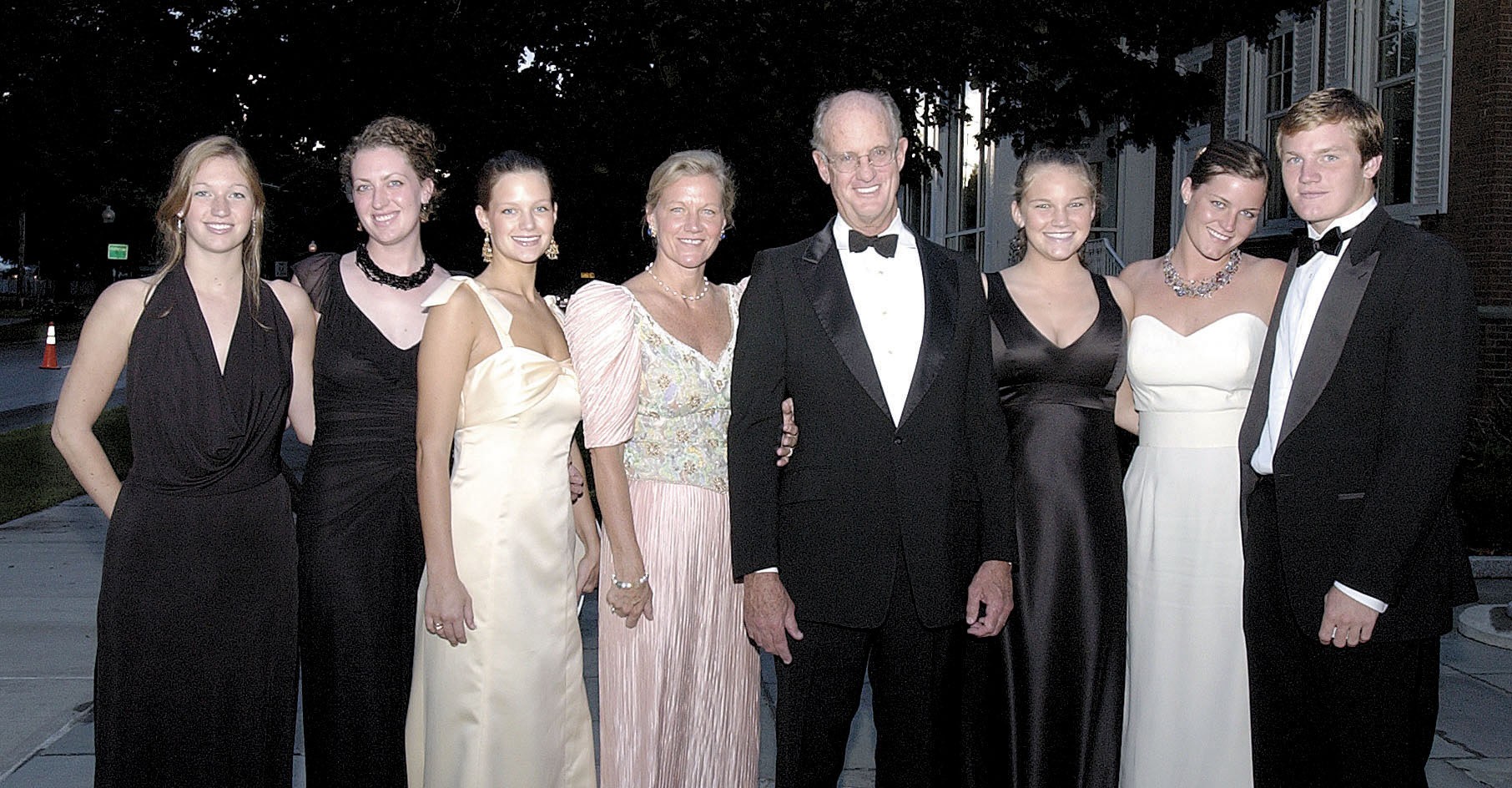
“But the greatest help and inspiration to me over the years has been my wife, Staci. Not only has she been the backbone of the family in raising our six wonderful children, she has worked very hard to help our industry as the organizer of WHOA (the Water Hay Oats Alliance). Also, she has been unwavering in her efforts to stop the slaughter of our horses, who give us our very livelihood. Thank you, Staci.”
In his capacity as a leader in racing, Hancock served on the Kentucky Horse Racing Commission, as a director of Keeneland Association and Fasig-Tipton Company, and as a member of The Jockey Club.
Especially visible was Hancock’s leadership in fostering integrity in racing. He co-founded the Water Hay Oats Alliance (WHOA), a group dedicated to eliminating performance-enhancing drugs in racing, with his wife. He was also an active supporter of thoroughbred aftercare.
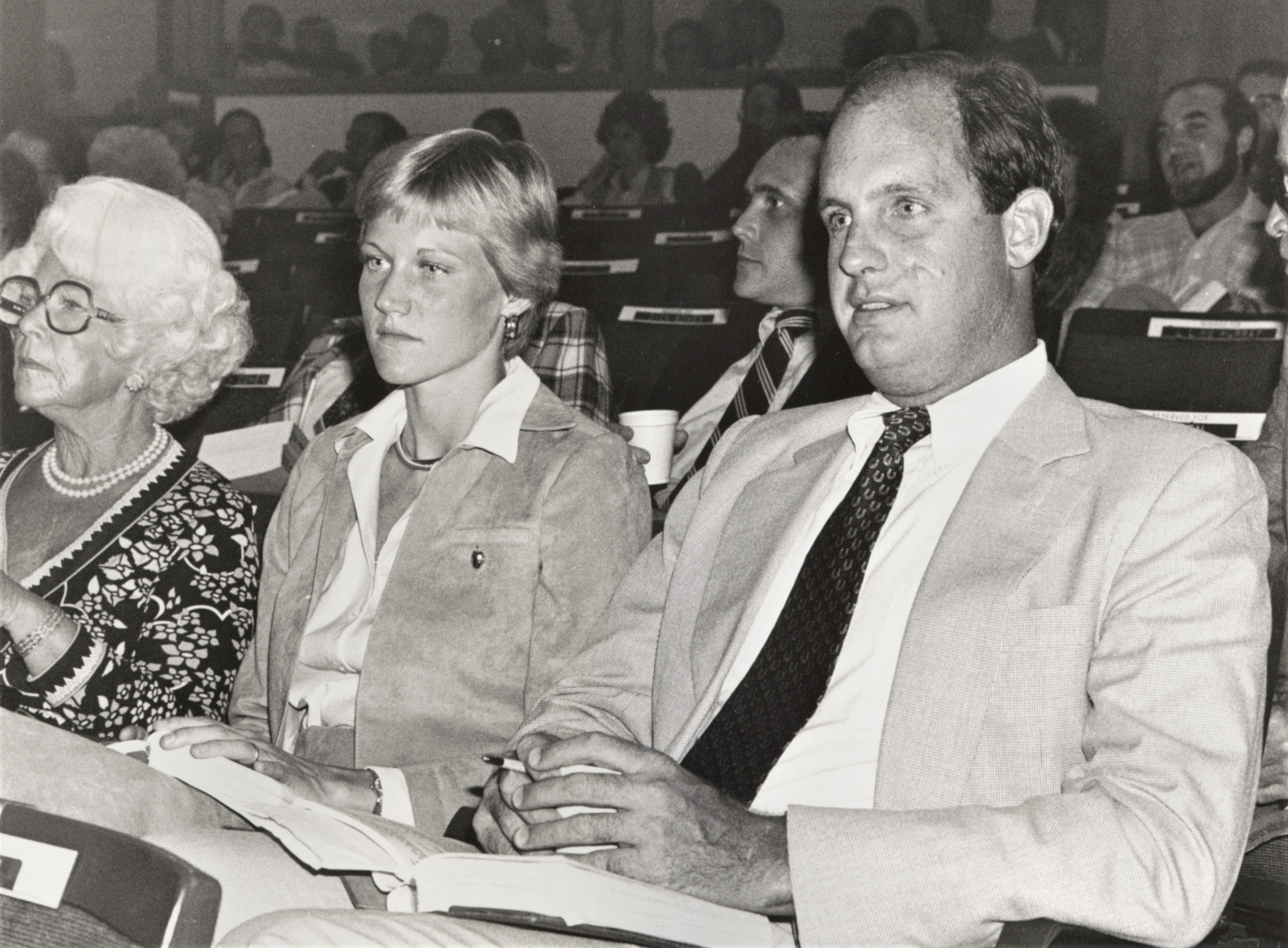
Hancock, who while at Vanderbilt University was co-captain of the swim team and won the Southeastern Conference in the 100-yard freestyle, was also an accomplished songwriter and musician. He produced several collections of original music, and performers such as Grandpa Jones, Willie Nelson, and Ray Price covered his songs.
“Arthur could have been many things: song writer, musician, singer, poet; but chose instead to be a horseman,” said Helen Alexander of Middlebrook Farm. “Over the years we have had wide-ranging discussions on breeding horses and Arthur has always had strong beliefs on how things should be done and what will make a great horse. One of his theories led to his breeding Kentucky Derby winner Gato Del Sol, so how can you argue with that?
“Personally, I believe he just has an uncanny knack for seeing what’s best in a horse that’s often missed by others. Kentucky Derby winner number two, Sunday Silence, is an example of that, first having been purchased by Arthur (thinking he was doing a favor for the owner) and then being led out unsold on another occasion. I know it pained him to sell Sunday Silence and lose what he knew was going to be a great stallion, but it was the right thing to do at the time.
“The industry has a lot to thank Arthur for. His dogged persistence in trying to clean up racing will be a lasting legacy. He is always a man of his convictions.”
Hancock considered himself fortunate to have had such a long and prosperous career in racing.
“The very wise and wonderful horseman John Nerud used to tell me, ‘In this game, you have to position yourself for luck to run over you,’” Hanock said.
Hancock died on Sept. 18, 2026, after a battle with pancreatic cancer.
Media